

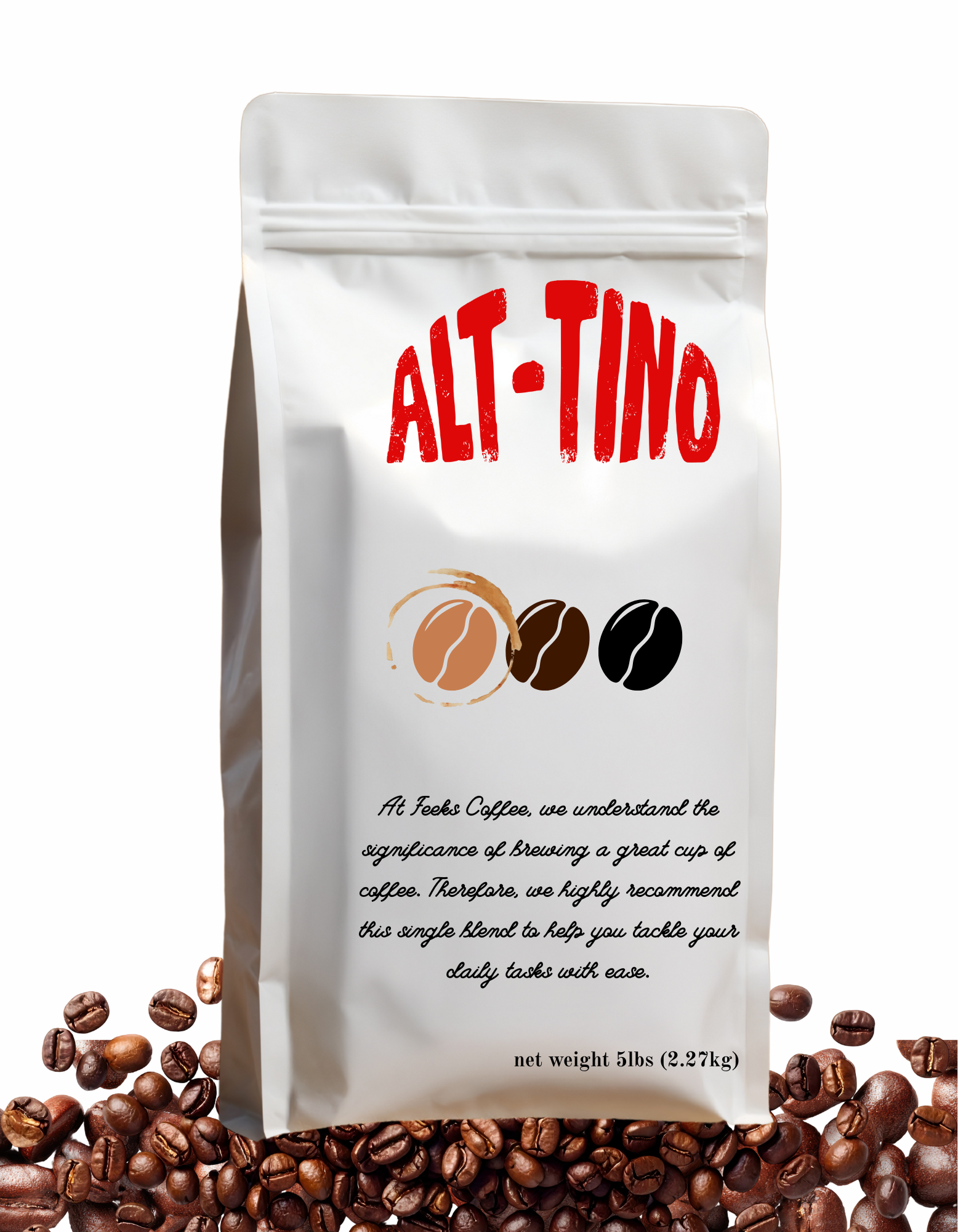
 Image 1 of 2
 Image 2 of 2
Origin: Grown in the Guji zone of southern Ethiopia, a region known for high-elevation, diverse microclimates that produce complex, high-quality coffees.
Variety: Typically from native heirloom Ethiopian varieties, contributing floral and fruit-forward flavor profiles.
Altitude: Cultivated at high elevations (often 1,800–2,200 meters), which promotes slower cherry development and greater cup complexity.
Processing: Frequently processed as natural (dry) or washed, with some lots using honey or experimental anaerobic methods—each method highlights different sweetness, acidity, and body characteristics.
Aroma: Pronounced floral aromatics—jasmine, bergamot, and sweet citrus blossom—often accompanied by fragrant stone fruit or ripe berry notes.
Flavor profile: Bright, tea-like acidity balanced by juicy fruit flavors (peach, mango, strawberry) and nuanced citrus (orange, bergamot); natural-processed lots lean toward winey berry and jammy sweetness.
Body and mouthfeel: Ranges from light to medium body with a silky, tea-like mouthfeel in washed lots and a fuller, syrupy texture in naturals.
Aftertaste: Clean, lingering finish with fruity and floral echoes; natural-processed examples may leave a sweet, lingering berry finish.
Sweetness: Noticeable honeyed or brown-sugar sweetness that complements the vibrant acidity.
Cup clarity: High clarity and layered complexity, making Alt-Tino Guji suitable for pour-over methods to highlight delicate notes.
Roast recommendation: Light to light-medium roasts best preserve delicate floral and citrus notes; darker roasts can mute origin character.
Brewing suggestions: Pour-over (V60, Chemex) or Aeropress to emphasize clarity and acidity; cold brew can highlight sweetness and fruit-forward qualities in naturals.
Traceability and ethics: Often produced by smallholder farmers and cooperatives; good lots emphasize traceability, fair practices, and community investment.
Origin: Grown in the Guji zone of southern Ethiopia, a region known for high-elevation, diverse microclimates that produce complex, high-quality coffees.
Variety: Typically from native heirloom Ethiopian varieties, contributing floral and fruit-forward flavor profiles.
Altitude: Cultivated at high elevations (often 1,800–2,200 meters), which promotes slower cherry development and greater cup complexity.
Processing: Frequently processed as natural (dry) or washed, with some lots using honey or experimental anaerobic methods—each method highlights different sweetness, acidity, and body characteristics.
Aroma: Pronounced floral aromatics—jasmine, bergamot, and sweet citrus blossom—often accompanied by fragrant stone fruit or ripe berry notes.
Flavor profile: Bright, tea-like acidity balanced by juicy fruit flavors (peach, mango, strawberry) and nuanced citrus (orange, bergamot); natural-processed lots lean toward winey berry and jammy sweetness.
Body and mouthfeel: Ranges from light to medium body with a silky, tea-like mouthfeel in washed lots and a fuller, syrupy texture in naturals.
Aftertaste: Clean, lingering finish with fruity and floral echoes; natural-processed examples may leave a sweet, lingering berry finish.
Sweetness: Noticeable honeyed or brown-sugar sweetness that complements the vibrant acidity.
Cup clarity: High clarity and layered complexity, making Alt-Tino Guji suitable for pour-over methods to highlight delicate notes.
Roast recommendation: Light to light-medium roasts best preserve delicate floral and citrus notes; darker roasts can mute origin character.
Brewing suggestions: Pour-over (V60, Chemex) or Aeropress to emphasize clarity and acidity; cold brew can highlight sweetness and fruit-forward qualities in naturals.
Traceability and ethics: Often produced by smallholder farmers and cooperatives; good lots emphasize traceability, fair practices, and community investment.